
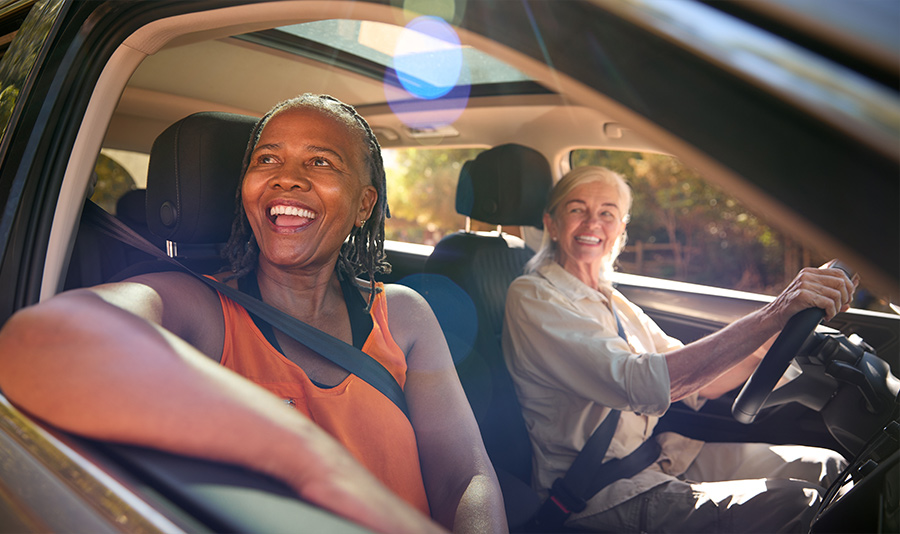
How soon can you drive after cataract surgery?
Many people ask the same question before cataract surgery: how soon can you drive after the procedure?
Driving is an important part of daily life. Whether it is getting to work, visiting family, or running errands, most people want to know when they can safely get back behind the wheel.
The answer is different for everyone. Recovery times vary, and your eye doctor will need to check that your vision meets the required standard before you drive again.
At IVISION LASER in Adelaide Australia, we help patients understand what to expect before, during, and after cataract surgery. This information is general in nature and does not replace advice from a qualified eye health professional.
When can you drive after cataract surgery?
There is no single answer for everyone
Many patients can return to driving relatively soon after cataract surgery. However, the timing depends on how well the eye is healing and whether your vision meets legal driving requirements.1https://www.healthline.com/health/eye-health/cataract-surgery-recovery
Your eye doctor will advise you when it is safe to drive again.
It is important not to assume your vision is ready, even if it feels improved.
Your vision must be safe for driving
Before returning to the road, you need to be able to see clearly enough to drive safely.
Your eye doctor may assess your vision during follow-up appointments and discuss whether you are ready to resume driving.2https://www.healthline.com/health/eye-health/cataract-surgery-recovery
Safety for you and other road users is always the priority.
Why can't you drive immediately after surgery?
Your eye needs time to recover
After cataract surgery, your vision may be blurry for a short time.
Some people also experience mild light sensitivity, watering, or temporary visual changes while the eye heals.3https://www.healthline.com/health/eye-health/cataract-surgery-recovery
These symptoms can affect your ability to drive safely.
For this reason, patients are usually advised not to drive immediately after their procedure.
You will need someone to take you home
Cataract surgery is commonly performed as a day procedure.4https://www.healthline.com/health/eye-health/cataract-surgery-recovery
Because your vision may be affected after treatment, you will usually need a friend, family member, or other support person to take you home.
Your clinic will explain what arrangements should be made before your surgery day.
What affects when you can drive again?
Healing time
Every eye heals at its own pace.
Some patients notice vision improvements within a day or two, while others may take longer.5https://www.healthline.com/health/eye-health/cataract-surgery-recovery
Your recovery progress will influence when you can return to driving.
Vision quality
Even if your vision seems clearer, your doctor will want to ensure it is stable and suitable for driving.
Clear vision is important for reading road signs, judging distances, and recognising hazards.6https://www.healthline.com/health/eye-health/cataract-surgery-recovery
Other eye conditions
Some patients have other eye conditions that may affect recovery or vision.
Conditions such as glaucoma, macular disease, or diabetic eye disease can influence visual outcomes.7https://www.healthline.com/health/eye-health/cataract-surgery-recovery
Your doctor will consider your overall eye health when advising you about driving.
What happens at your follow-up appointment?
Your doctor checks your recovery
Follow-up visits are an important part of cataract surgery recovery.
During these appointments, your eye doctor will examine your eye and check how healing is progressing.
They may also assess your vision and answer any questions you have about returning to normal activities.
This is when driving may be discussed
Your follow-up appointment is often the best time to discuss driving.
Your doctor can provide advice based on your recovery and vision.
This personalised guidance is more helpful than relying on general timelines.
Is blurry vision normal after cataract surgery?
Some blurriness can be expected
Many patients notice blurry vision immediately after surgery.
This is often part of the normal healing process.8https://www.healthline.com/health/eye-health/cataract-surgery-recovery
Vision may continue to improve over the following days and weeks.
Contact your clinic if you are concerned
If your vision suddenly worsens or you notice unexpected symptoms, contact your clinic for advice.
Your care team can assess your situation and provide guidance.
Can you drive if only one eye had surgery?
It depends on your vision
Some patients have cataract surgery on one eye while the other eye remains untreated.
Whether you can drive depends on how well you can see after surgery and whether your vision meets driving requirements.9https://www.healthline.com/health/eye-health/cataract-surgery-recovery
Your doctor will advise you based on your individual circumstances.
Every patient is different
Some people adapt quickly after surgery on one eye, while others may need more time.
Your eye doctor will provide personalised recommendations.
What activities can you do while waiting to drive?
Focus on recovery
While your eye heals, it is important to follow your doctor's instructions.
This includes using prescribed eye drops and attending follow-up appointments.
Giving your eye time to recover can support the healing process.10https://www.healthline.com/health/eye-health/cataract-surgery-recovery
Return to activities gradually
Many patients return to daily activities fairly quickly after cataract surgery.11https://www.healthline.com/health/eye-health/cataract-surgery-recovery
However, every recovery is different.
Your doctor can advise when it may be appropriate to return to specific activities.
How long does cataract surgery recovery take?
Recovery continues after the procedure
Although cataract surgery itself is usually quick, healing takes longer.
Many patients notice improvements within the first few days, but the eye may continue healing for several weeks.12https://www.healthline.com/health/eye-health/cataract-surgery-recovery
This is why ongoing follow-up care is important.
Be patient with the process
Recovery is different for every person.
Giving your eyes time to heal and following professional advice can help support your recovery journey.
Why personalised advice matters
Your eyes are unique
No two patients have exactly the same eyes.
Age, eye health, vision needs, and other medical factors can all influence recovery and driving readiness.13https://www.healthline.com/health/eye-health/cataract-surgery-recovery
This is why personalised advice from your eye doctor is important.
Avoid comparing your recovery to others
You may hear different recovery stories from friends or family members.
While these experiences can be helpful to hear, they may not apply to your situation.
Your doctor's advice should always guide your decisions.
Take the next step
If you are considering cataract surgery and would like to learn more about recovery and returning to driving, a professional eye assessment is the best place to start.
At IVISION LASER in Adelaide Australia, we help patients understand their eye health, treatment options, and recovery expectations with clear and supportive information.
Learn from IVISION LASER Adelaide Australia and take the first step toward understanding your options.
You can begin by taking the suitability self test. This quick step can help you explore whether cataract surgery or another treatment may be suitable for your eyes.
From there, you can decide whether to book a full consultation.
Find out if you are suitable for vision correction
Not everyone is eligible for vision correction surgery.
Find out if you could benefit from this life changing surgery by taking the quick self-suitability quiz below:
Our most popular procedures
Discover if you can be free from glasses and contact lenses
Discover if you can be free from glasses and contact lenses
The best way to find out if laser eye treatment is right for you is to have a free assessment. We’ll examine your eyes and you’ll get a clear answer from our team on your suitability and laser vision correction options.


Hi, I’m Dr Aanchal Gupta, your laser and cataract surgeon in Adelaide
Over the past 10 years, I’ve had the joy of helping thousands of patients of all ages gain clear vision and freedom from glasses and contact lenses.
Laser eye surgery is a skill. Performing vision correction at a world-class standard hinges upon the expertise of your surgeon and their access to state-of-the-art tools.
I understand that getting eye surgery is a serious decision. Your eyes are unique and you should demand a custom solution tailored to your needs, lifestyle and goals. That’s why we offer a free appointment so we can meet and I can take the time to answer your questions and talk through any concerns you have.
I am passionate about helping patients transform their lives. I look forward to spending time with you at our gorgeous eye clinic in the heart of Adelaide to see whether you could gain exceptional vision without the need for glasses or contacts.
Dr Aanchal Gupta
MBBS, M.Med. (Ophth. Sci.), Grad. Dip. (Refract. Surg.), FRANZCO
Expert Laser Eye and Cataract Surgeon
