

Can laser eye surgery correct long and short sightedness?
Many people wear glasses or contact lenses every day. Some people are short sighted. Others are long sighted. A common question is whether laser eye surgery can correct these vision problems.
At IVISION LASER in Adelaide, we help patients understand how vision correction works. In this article, we explain what long and short sightedness are and how laser eye surgery may help.
This information is general in nature and does not replace advice from a qualified eye health professional.
What is short sightedness?
Short sightedness is also called myopia.
If you are short sighted, you can see things clearly up close. However, objects far away may look blurry. This happens when light focuses in front of the retina instead of directly on it.1https://www.nhs.uk/conditions/short-sightedness/
Short sightedness can develop during childhood or teenage years. It may change over time before becoming stable in adulthood.2https://www.nhs.uk/conditions/short-sightedness/
Glasses or contact lenses are often used to correct this problem.
What is long sightedness?
Long sightedness is also called hyperopia.
If you are long sighted, you may find it harder to see things up close. Reading can feel more difficult, especially over time. In some cases, distance vision can also be affected.3https://www.nhs.uk/conditions/long-sightedness/
This happens when light focuses behind the retina instead of directly on it. Long sightedness can be present from a young age or develop later in life.4https://www.nhs.uk/conditions/long-sightedness/
Glasses or contact lenses are also used to help correct this condition.
What is laser eye surgery?
Laser eye surgery is a treatment that changes how light focuses in the eye.
During the procedure, a laser reshapes the front surface of the eye. This surface is called the cornea. By changing the shape of the cornea, light can focus more clearly on the retina. This may improve vision and reduce the need for glasses or contact lenses for some people.5https://www.nhs.uk/tests-and-treatments/laser-eye-surgery-and-lens-surgery/
Laser eye surgery is designed to treat refractive errors such as short sightedness, long sightedness, and astigmatism.6https://www.nhs.uk/tests-and-treatments/laser-eye-surgery-and-lens-surgery/
Can laser eye surgery correct short sightedness?
Laser eye surgery can be used to correct short sightedness in many patients.
The laser gently reshapes the cornea so that light focuses more accurately on the retina. This may improve distance vision and reduce reliance on glasses or contact lenses.7https://www.nhs.uk/tests-and-treatments/laser-eye-surgery-and-lens-surgery/
Results can vary depending on the level of short sightedness and the health of the eyes.
A full assessment is needed to determine whether treatment may be suitable.
Can laser eye surgery correct long sightedness?
Laser eye surgery can also be used to correct long sightedness in some patients.
The treatment reshapes the cornea in a way that helps light focus more clearly on the retina. This may improve near vision for some people. However, results can vary. Long sightedness can be more complex to treat, especially if it is higher in degree.8https://www.nhs.uk/tests-and-treatments/laser-eye-surgery-and-lens-surgery/
Your eye doctor will assess your eyes and explain what may be possible in your case.
Does laser eye surgery give perfect vision?
Many people hope for perfect vision after laser eye surgery. It is important to understand that results can vary.
The aim of treatment is to reduce dependence on glasses or contact lenses. Some patients may still need glasses for certain tasks, such as reading or night driving.9 https://www.sciencedaily.com/releases/2007/12/071228215645.htm
Laser eye surgery does not stop the natural ageing process of the eyes. Changes in vision can still happen over time.10 https://www.sciencedaily.com/releases/2007/12/071228215645.htm
Your eye doctor will explain what you may expect based on your individual eyes.
What is presbyopia?
As people get older, reading vision often becomes more difficult. This is called presbyopia.
Presbyopia usually starts in the 40s. It happens because the natural lens in the eye becomes less flexible.11https://www.aao.org/eye-health/diseases/what-is-presbyopia Laser eye surgery may help with distance vision, but it does not stop presbyopia from developing.
This means you may still need reading glasses later in life, even after treatment. Your eye doctor will discuss this with you during your consultation.
Who may be suitable for laser eye surgery?
Not everyone is suitable for laser eye surgery.
Suitability depends on several factors. These include your eye health, cornea thickness, prescription, and vision stability.
Stable vision means your prescription has not changed much over time.
A detailed eye assessment is needed to understand whether treatment may be appropriate for you.
Your eye doctor will guide you based on your individual needs.
Why an eye assessment is important
A full eye examination is an important step before considering laser eye surgery.
During the assessment, your eye doctor will measure your vision and check the health of your eyes.
They will also look at the shape and thickness of your cornea.
This helps determine whether laser eye surgery may be a safe option.
If it is not suitable, other options may be discussed.
Understanding risks and benefits
All medical procedures carry some level of risk. Laser eye surgery is no different.
Most patients have a smooth recovery, but results can vary.
It is important to understand both the potential benefits and the limitations of treatment.
Your eye doctor will explain these clearly during your consultation.
This helps you make an informed decision about your eye care.
Life after laser eye surgery
Many people enjoy greater freedom from glasses or contact lenses after laser eye surgery.12https://pubmed.ncbi.nlm.nih.gov/19344821/
Daily tasks such as driving, working, or playing sports may feel easier. However, some people may still need glasses for certain activities.13https://pubmed.ncbi.nlm.nih.gov/19344821/
Follow up care is also important. Your eye doctor will check your healing and answer any questions.
Looking after your eye health remains important after surgery.
Take the next step
If you are asking whether laser eye surgery can correct long and short sightedness, the answer is that it may help many people.
The best way to find out what is right for your eyes is through a professional assessment.
Every person’s vision is different, and treatment options depend on your individual eye health.
You can start by taking the suitability self test. This quick and simple step can help you explore whether laser eye surgery may be an option for you.
Find out if you are suitable for vision correction
Not everyone is eligible for vision correction surgery.
Find out if you could benefit from this life changing surgery by taking the quick self-suitability quiz below:
Our most popular procedures
Discover if you can be free from glasses and contact lenses
Discover if you can be free from glasses and contact lenses
The best way to find out if laser eye treatment is right for you is to have a free assessment. We’ll examine your eyes and you’ll get a clear answer from our team on your suitability and laser vision correction options.

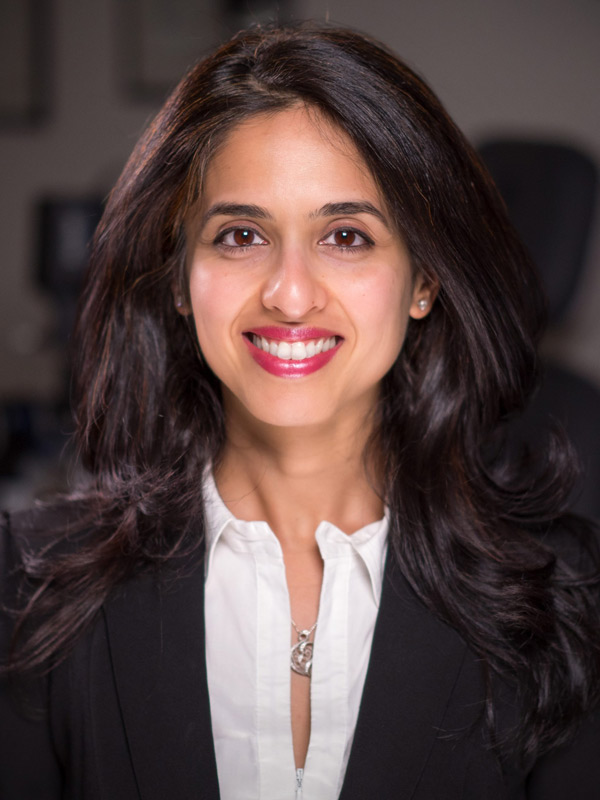
Hi, I’m Dr Aanchal Gupta, your laser and cataract surgeon in Adelaide
Over the past 10 years, I’ve had the joy of helping thousands of patients of all ages gain clear vision and freedom from glasses and contact lenses.
Laser eye surgery is a skill. Performing vision correction at a world-class standard hinges upon the expertise of your surgeon and their access to state-of-the-art tools.
I understand that getting eye surgery is a serious decision. Your eyes are unique and you should demand a custom solution tailored to your needs, lifestyle and goals. That’s why we offer a free appointment so we can meet and I can take the time to answer your questions and talk through any concerns you have.
I am passionate about helping patients transform their lives. I look forward to spending time with you at our gorgeous eye clinic in the heart of Adelaide to see whether you could gain exceptional vision without the need for glasses or contacts.
Dr Aanchal Gupta
MBBS, M.Med. (Ophth. Sci.), Grad. Dip. (Refract. Surg.), FRANZCO
Expert Laser Eye and Cataract Surgeon
